Piano Lessons in Singapore — Find Verified, Exam-Ready Piano Teachers Near You
The SG Musician is a directory of 250+ verified piano teachers, tutors, and music schools across Singapore, covering private piano lessons, group piano classes, and keyboard lessons for every skill level. Every listing is manually reviewed for teaching credentials — ABRSM, Trinity College London, Yamaha, or degree-level training — before publication, so you can compare a piano tutor, private instructor, or full music academy side-by-side and contact them directly, with no agency commission.
Whether you're looking for piano lessons for kids, piano lessons for adults, or piano lessons for beginners with no prior experience, this page helps you find home piano lessons, online piano lessons, or studio-based classes matched to your goal — including ABRSM piano lessons, Trinity piano lessons, jazz piano lessons, and pop piano lessons.
What Piano Lessons in Singapore Typically Involve
Piano classes in Singapore generally fall into three structural categories:
- Classical/exam-track lessons — structured around ABRSM piano lessons or Trinity piano lessons syllabuses, with scales, sight-reading, and repertoire toward a graded exam. Many parents specifically search for a music teacher for exams, and this is the track those students need.
- Contemporary piano— jazz piano lessons and pop piano lessons focused on chord-based playing and improvisation, popular with adult beginners who aren't pursuing formal grading.
- Early childhood foundation — for ages 3–5, blending keyboard lessons with rhythm and ear-training before transitioning into formal piano tutoring around age 5–6.
Each teacher profile states which track — and which exam board, if any — they specialise in.
Lesson Formats: Home, Online, or Studio
| Format | Keyword match | Best for |
|---|---|---|
| Home piano lessons | Private, at your residence | Young children, busy parents, no need to travel |
| Online piano lessons | Video call, digital keyboard required | Working adults, students in areas with fewer nearby teachers |
| Studio / music academy | Fixed weekly slot at a music studio or academy | Students wanting access to a full acoustic piano |
Private piano lessons (one-on-one) allow personalised pacing; some music schools also offer small group formats at a lower per-session rate.
How Much Does Piano Lessons Cost in Singapore?
Piano lesson rates in Singapore typically range from S$40 to S$100+ per hour, depending on qualifications and format. This directory also lists affordable piano lessons options for budget-conscious families alongside premium, diploma-level instructors.
| Tier | Rate/hour | Profile |
|---|---|---|
| Affordable | S$40 – S$60 | Undergraduate/early-career teachers, group rates |
| Mid-range | S$60 – S$100 | ABRSM/Trinity-certified, 5+ years' experience |
| Premium | S$100 – S$200+ | Conservatory-trained, diploma-level (LRSM, FRSM) |
Exam Boards & Syllabus Guidance
ABRSM vs Trinity: which is better?
Neither is objectively "better" — they suit different students. ABRSM piano lessons follow the most widely used syllabus in Singapore, with a strong technical-exercise component. Trinity piano lessons offer more flexibility in technical requirements and place more weight on musical performance. LCM is a third, less common option some teachers prefer for its repertoire choices.
What is the difference between ABRSM and Trinity grading?
Both use a graded 1–8 system plus diploma levels, but ABRSM's grading places relatively more emphasis on scales and aural tests, while Trinity's assessment weighs performance pieces more heavily. Ask your teacher which board matches your learning style before committing to a syllabus.
How Do I Choose a Good Piano Teacher in Singapore?
- Confirm actual qualifications — ABRSM/Trinity diploma level or a music degree, not just years of experience.
- Look for a patient piano teacher for kids if you're booking for a young child — teaching style matters more than credentials at early ages.
- Ask what to look for in a piano lesson trial class: teaching clarity, patience, whether they assess current level before jumping into a syllabus, and whether the studio/home setup is comfortable.
- Check for piano lessons without long term contract if you want flexibility before committing to a package.
- Look for verified music teacher badges and real, dated reviews.
Are home piano lessons better than studio lessons?
Neither is universally better. Home lessons remove travel time and let children practise on their usual instrument; studio lessons often provide access to a proper acoustic piano and a distraction-free environment. Choose based on your child's focus level and your own schedule.
Featured Piano Teachers & Music Schools in Singapore
Browse verified piano tutors, private instructors, and music academies below — including options offering a piano lessons trial class.


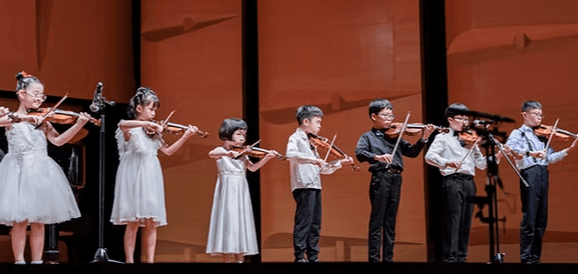

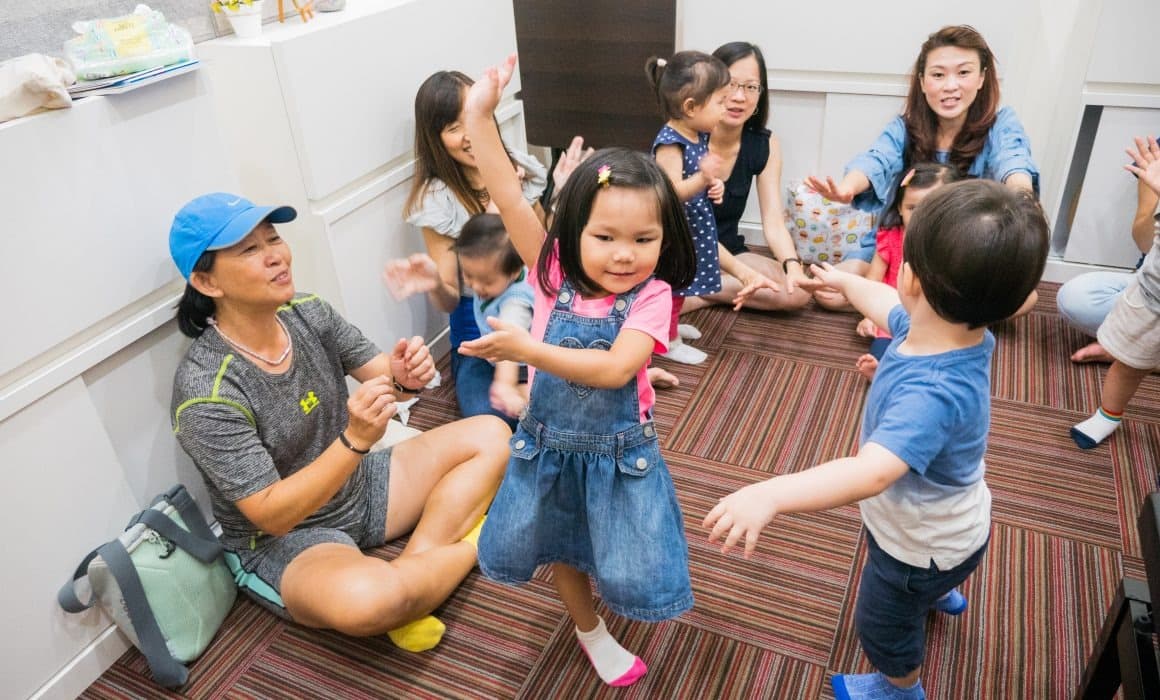

![Ossia Music School [Aureus Group] at HomeTeamNS hero](/_next/image?url=https%3A%2F%2Fres.cloudinary.com%2Fdmu09whyi%2Fimage%2Fupload%2Fv1770383894%2Fdirectory_app%2Fossia-music-school-aureus-group-at-hometeamns%2Fgtr1vb5bgyi2bsnmd5t0.jpg&w=3840&q=75)
![Ossia Music School [Aureus Group] at HomeTeamNS logo](/_next/image?url=https%3A%2F%2Fres.cloudinary.com%2Fdmu09whyi%2Fimage%2Fupload%2Fv1770383890%2Fdirectory_app%2Fossia-music-school-aureus-group-at-hometeamns%2Fcuhnbntg43a2yhqipw0v.png&w=3840&q=75)


160+ Locations Covered
Piano Lessons Near Me — Browse by Area
Most-searched neighbourhoods first, ranked by number of active teachers and schools.
Show all 160 areas▾
Piano Lessons Guides & Tips
Read Our JournalHow to Find the Right Violin Teacher in Singapore
Looking for a violin teacher in Singapore? Compare qualifications, formats, pricing, and what to ask in a trial lesson before you book.
5 Things to Consider Before Starting Piano Lessons in Singapore
Thinking about piano lessons in Singapore? Compare readiness, formats, cost, exam tracks, and how to find qualified piano teachers before you book.
How to Choose a Piano Teacher in Singapore
Choosing a piano teacher in Singapore? Compare qualifications, exam boards, lesson formats and what to ask before booking a trial lesson.
Frequently Asked Questions.
Everything you need to know about finding, booking, and paying for piano lessons in Singapore.
Piano lessons in Singapore typically cost S$40 to S$100+ per hour, depending on the teacher's qualifications, experience, and lesson format. Diploma-level or conservatory-trained teachers charge S$100–200/hour.
Most teachers recommend starting formal piano lessons around age 5–6, though early foundation programmes can begin from age 3–4 to build rhythm and ear-training first.
No. Adult beginners regularly succeed at piano — progress is often faster than children's because adults can self-direct practice and understand instructions more quickly, even without prior musical background.
Basic proficiency (comfortably playing simple songs) typically takes 6–12 months of consistent weekly lessons and practice. Reaching Grade 8 or advanced level generally takes 6–8 years.
Neither is universally better — ABRSM has broader recognition and a stronger technical-exercise focus; Trinity offers more flexibility and weighs musical performance more heavily. Your choice often depends on your teacher's own certification.
No. A weighted 61- or 88-key digital keyboard is sufficient for early grades. An acoustic piano becomes more important from around Grade 4–5 for touch sensitivity.
One 30–60 minute lesson per week is standard for most students. Exam-track or advanced students sometimes add a second shorter session before exam periods.
Check their actual certification level (ABRSM/Trinity diploma or music degree), confirm their specialisation matches your goal (exam-track vs. casual/adult), ask about their trial lesson policy, and read verified reviews.
Neither is universally better. Home lessons save travel time and let children use their usual instrument; studio lessons often provide access to a proper acoustic piano in a distraction-free setting.
Look for ABRSM/Trinity diploma-level certification (ARSM, LRSM, FRSM), a recognised music degree, or Yamaha certification — these are the main credibility indicators in Singapore, since there's no legal licensing requirement to teach piano.
Piano is generally considered easier for absolute beginners to produce a clean sound immediately, since pressing a key always produces a correct note. Guitar requires more initial finger-strength and technique before sounding clean, but progresses faster for playing songs by ear.
Teaching clarity, patience with questions, whether the teacher assesses your current level before starting a syllabus, and whether the lesson environment (home or studio) is comfortable and distraction-free.
Focus practice on scales, sight-reading, and aural tests alongside your repertoire pieces — these are frequently under-practised. Most teachers introduce mock exams 1–2 months before the actual test date.
Yes, for theory, ear-training, and repertoire coaching, provided the student has a keyboard with a good camera setup. Technique correction (hand position, posture) is somewhat harder to assess remotely than in person.
No. Browsing listings and contacting piano teachers directly is completely free — there are no agency commissions or booking fees, and there's no long-term contract requirement imposed by the platform itself.
The SG Musician's piano teacher listings are compiled and verified by our in-house directory team, with every profile — private tutor, home piano lessons provider, or full music academy — manually reviewed for teaching credentials, experience, and business legitimacy before publication. Pricing is sourced directly from teacher and school submissions and updated regularly. Reviews are collected only from students and parents who have engaged a listed teacher; we do not accept incentivized or self-submitted reviews.